
2025 Impact by the Numbers
We’re working toward a big vision: to engage every student and community in a local food and farm culture that nurtures child health, cultivates viable farms, and builds vibrant communities.
How? We support farm to school programs, which connect classrooms, cafeterias, and communities in pursuit of a healthier, more just food system. Here’s a look at some of the projects and collaborations in 2025 that moved the farm to school movement forward:
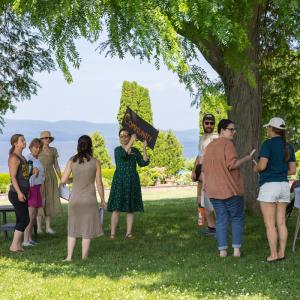
The Northeast Farm to School Institute
8 school, early childhood, and district teams — representing 4,536 students — participated in our Northeast Farm to School Institute. This year-long professional learning program brings teams together to build robust farm to school plans for their districts and programs. With the support of a coach, teams put their plans into action and create lasting change.
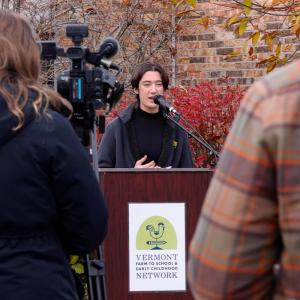
Vermont Farm to School & Early Childhood Network
The Vermont Farm to School & Early Childhood Network hosted 6 regional gatherings across the state, engaging 179 farm to school champions. The events offered peer-to-peer learning and opportunities to strengthen local efforts. In January, the Network hosted Farm to School and Early Childhood Day at the State House (watch farmer and student testimony from the day). In November, the Network hosted a press event celebrating local food in school meals.
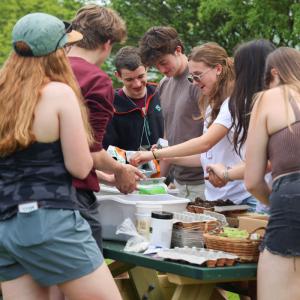
FEAST Summit
We supported a group of teen organizers in offering the third annual FEAST Summit, where 85 Vermont students participated in a day-long, food systems-focused event created by high school students for high school students. The day featured 11 workshops and discussions, including: Food Systems of the Future & Mushrooms; AI, Climate Change & Water Usage; Sustainable Practices in Maple Sugaring; and Tortilla Making from Scratch.

Supporting Schools in Local Food Purchasing
With our technical assistance, 14 School Food Authorities secured the Vermont Agency of Agriculture, Food, and Markets' Local Foods Incentive grants, spending $1.3 million on local food. A new Farm to School & Early Childhood Network study estimated that on average Vermont schools spend 14% of their school food budgets on local products. Read one district's story of increasing local purchasing.
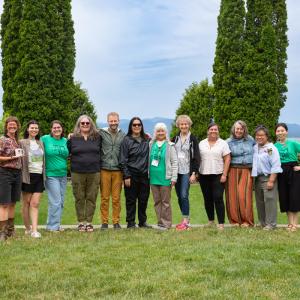
Farm to School Institute Adaptation Program
14 states offered Farm to School Institutes across the country, all modeled on our own Northeast program and supported through our Adaptation program and community of practice. Our 2025–26 adaptation cohort included state teams from California, Colorado, Michigan, and New Mexico, all of which experienced our program firsthand.
Farm to School Leadership Academy
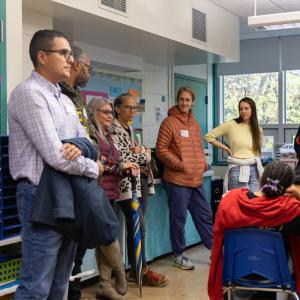
16 farm to school leaders from across the country—from Indiana to Texas—participated in the second year of the Farm to School Leadership Academy, a year-long community of learning designed to build the strategies and relationships needed to pursue healthier, more resilient food systems.
The ABCs of Farm-Based Education
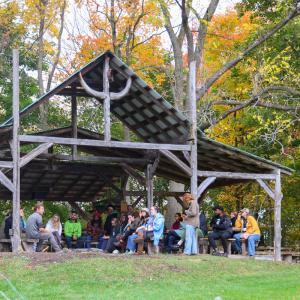
40 farm-based educators participated in the ABCs of Farm-Based Education, a three-day program tailored to the needs of farmers and those teaching on farms and in gardens. Participants learned new activities and strategies for school groups and visitors, gained tools to communicate with visitors of all ages, gathered tips for creating a safe learning environment, and built relationships with fellow farm-based educators.
Farm to Early Childhood
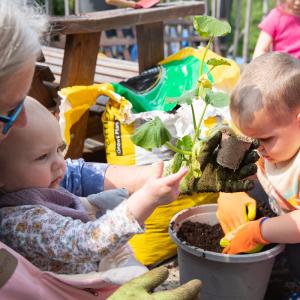
21 farm to early childhood professional learning opportunities were offered online and in-person, reaching more than 500 early educators across the country. Learn more about farm to early childhood.
Market Opportunities for Vermont Farms & Producers
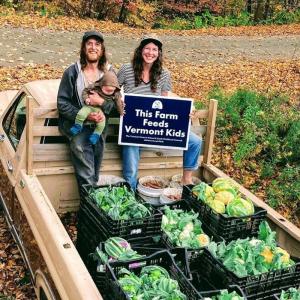
Over 150 Vermont farms sell to Vermont schools and early childhood programs, with apples, maple syrup, ground beef, and dairy products among the top products. It is estimated that Vermont schools spend $3.5 million on local food annually. Learn more about the This Farm Feeds Vermont Kids campaign.

Farm to School Coaching Program
22 coaches engaged in specially designed modules and workshops to develop their skills and knowledge so they can effectively coach school and early childhood teams through a Farm to School Institute or other farm to school planning processes.
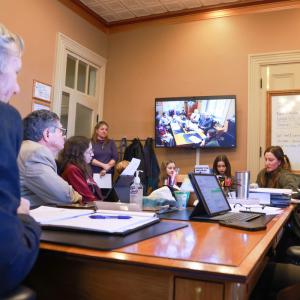
State Funding Success
As part of the Vermont Farm to School & Early Childhood Network, we successfully secured $1.5 million in state funding for farm to school and local food for schools from the Vermont Legislature.
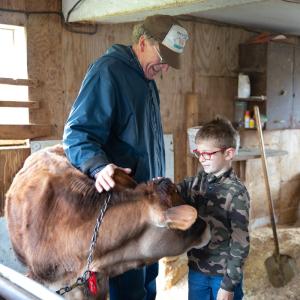
Dairy in the Classroom
38 classes—a total of 629 students—connected with 13 local dairy farms participating in Dairy in the Classroom, a program that develops an appreciation for the importance of farms, farmers, and animals in their everyday lives.